CAIRO to NAIROBI (64 days) Nile Trans

Overview
Nile Trans
Countries Visited: Egypt, Ethiopia, Kenya, Rwanda, Sudan, Uganda
Available in both directionsThis is an expedition through the heart of Africa from days of old. From crossing deserts, rivers and mountains and overcoming a multitude of challenges this continent can throw at you, inter-twined with stunning National Parks, some of the best adventure activity play grounds in the world, this is a trip that will linger in the memory long after you finish.
Note: Due to the ongoing situation in Sudan we expect to overfly from Cairo (flight at your cost) and join the truck in Addis Ababa. We would complete the Egypt section using public transport and local hotels and extend our time in northern Kenya and Ethiopia. We ran our 2022/23 Trans Africa expedition in this way and it worked very well.
Route Map

Click map to enlarge
Highlights
- Explore the many temples, tombs, monuments, and pyramids throughout Ancient Egypt
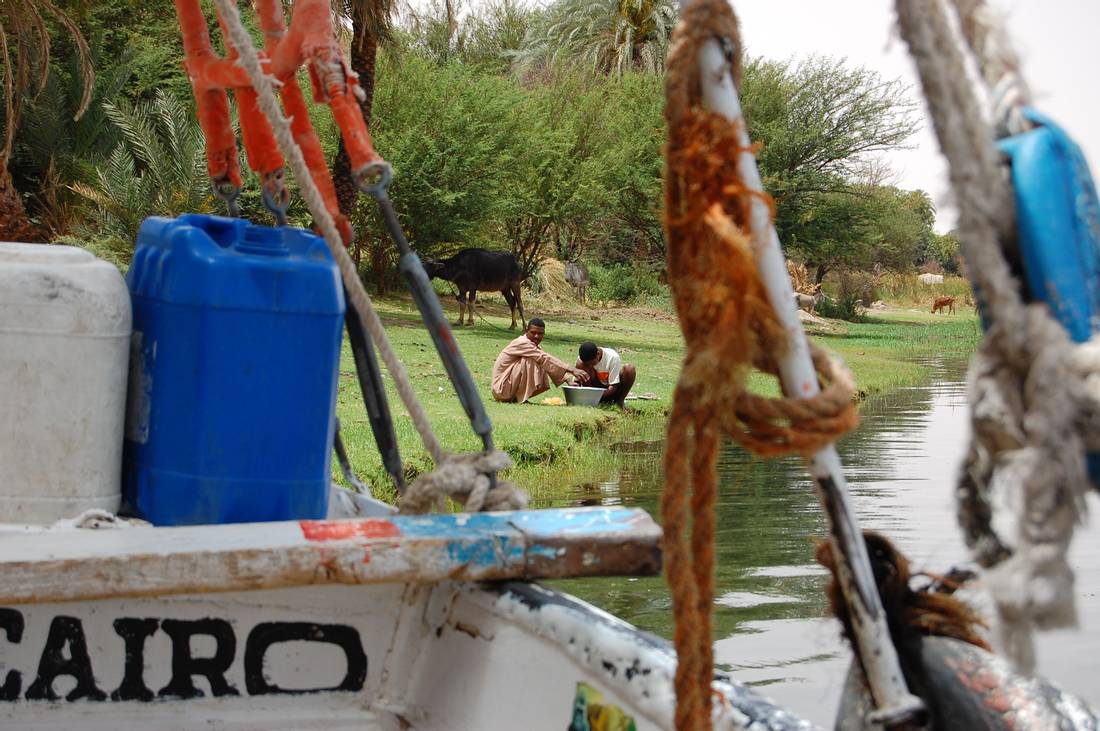
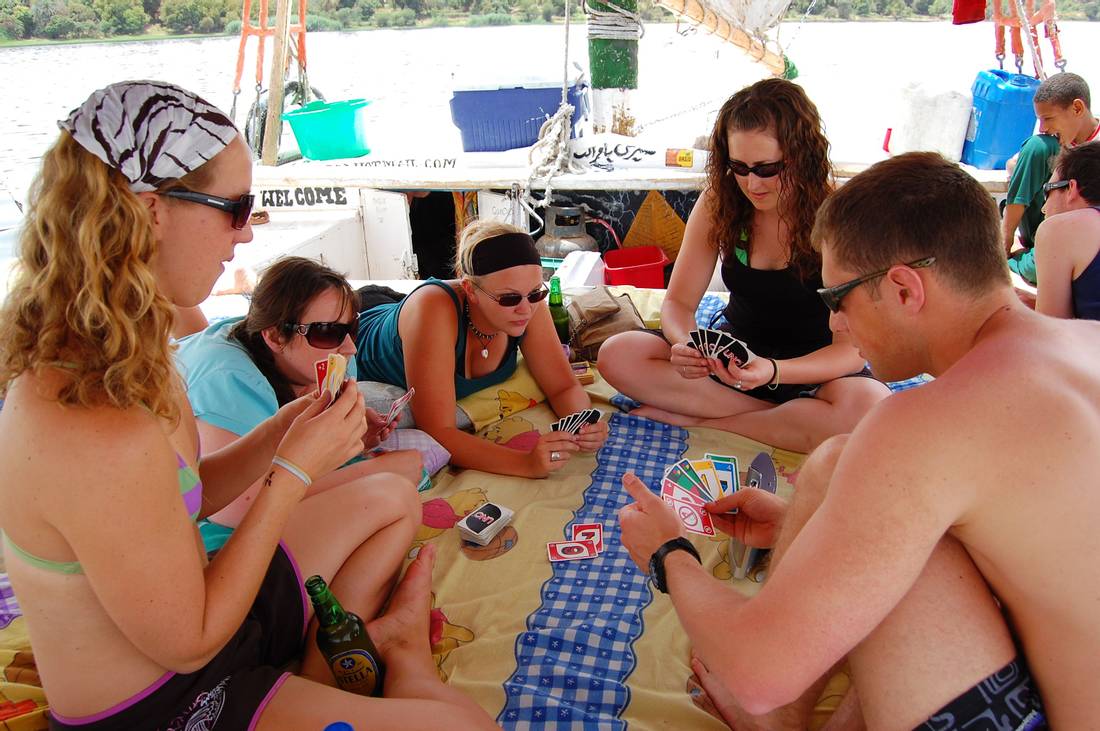
- Set sail down the Nile, one of the world's most iconic rivers on a traditional felucca sailboat
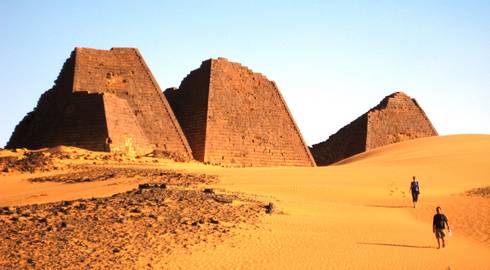
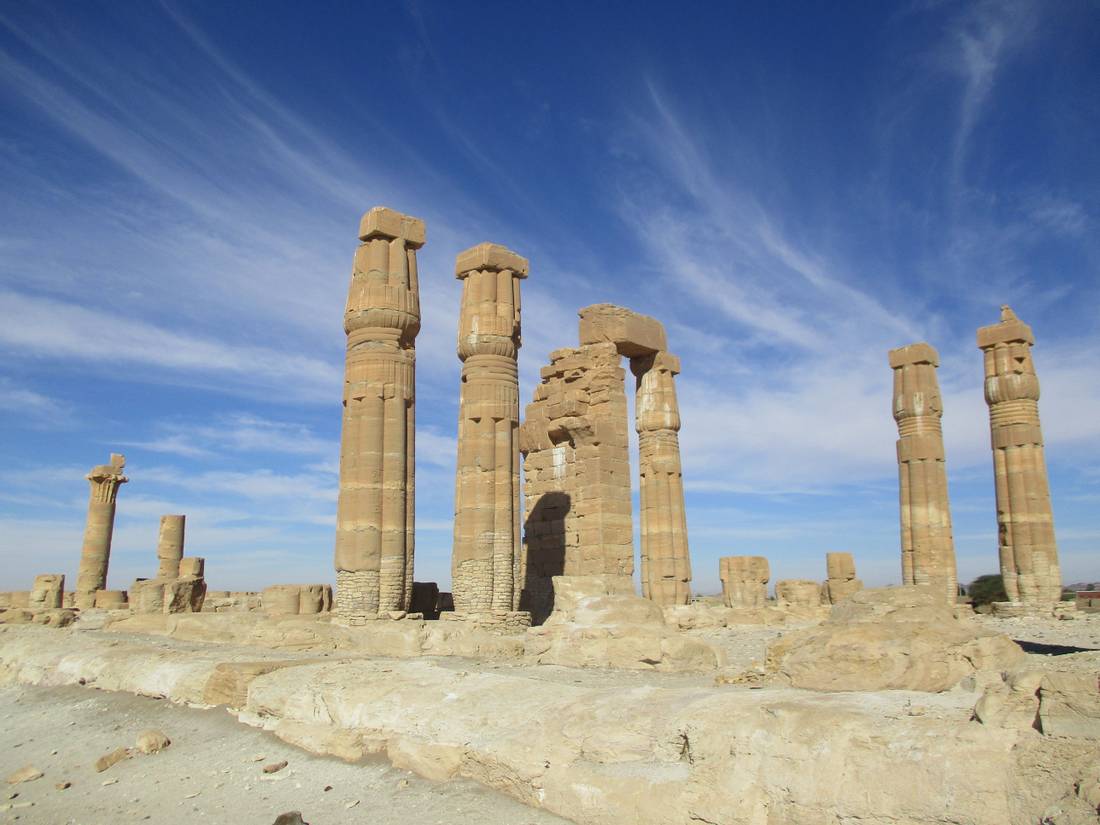
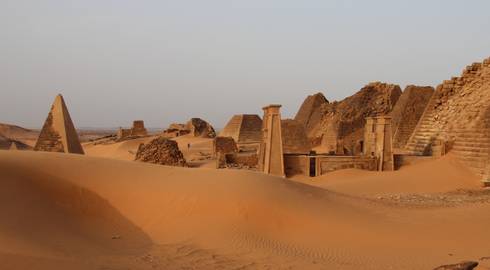
- Enjoy sunset at the Pyramids at Meroe surrounded by golden sand dunes
- Camping 'under the stars' in the vast Nubian Desert in Sudan
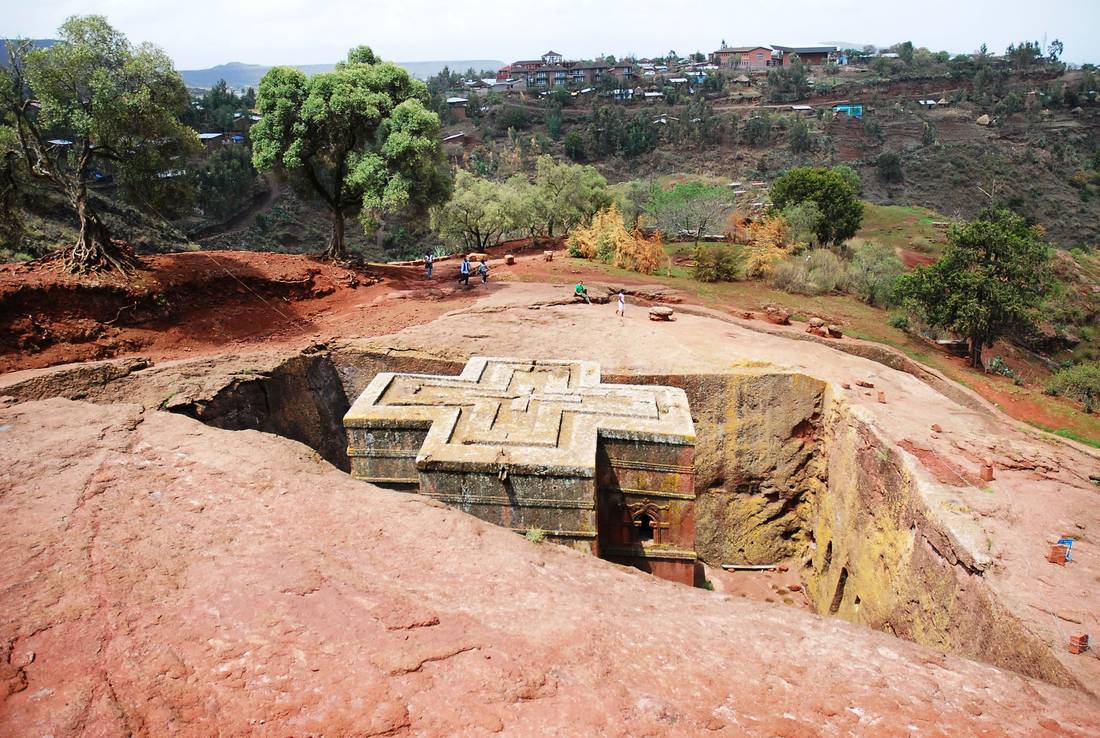
- Visit the magnificent monasteries and rock-hewn churches located around Ethiopia
- Navigating Merkato, the largest open-air market in Africa
- Experience the chaos of Kampala traffic with the movement of minibuses, cars, motorcycles and people
- Trek to see the largest living primate, the Mountain Gorilla
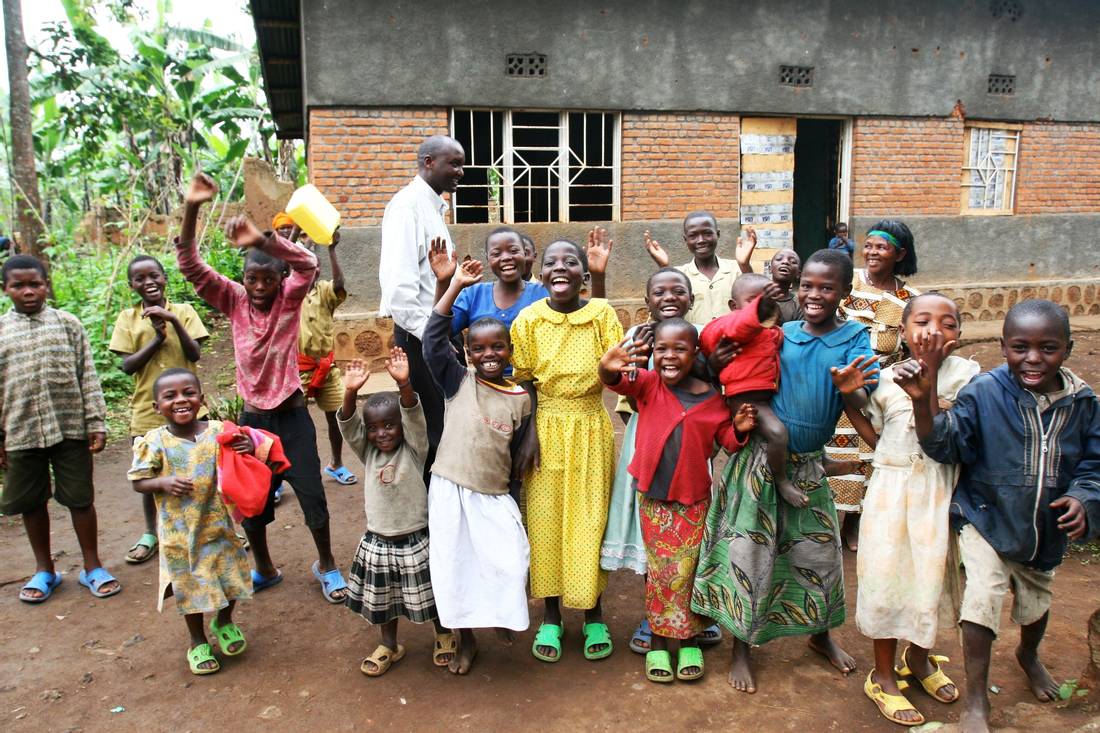
- Make a difference in the local community and get involved in a Volunteer Project
- Raft or kayak part of the longest river in the world - the Nile
- Listening out for the groans of the hippo whilst camping on Lake Naivasha
Includes
- Accommodation - approx. 90% camping & 10% simple hostels/hotels
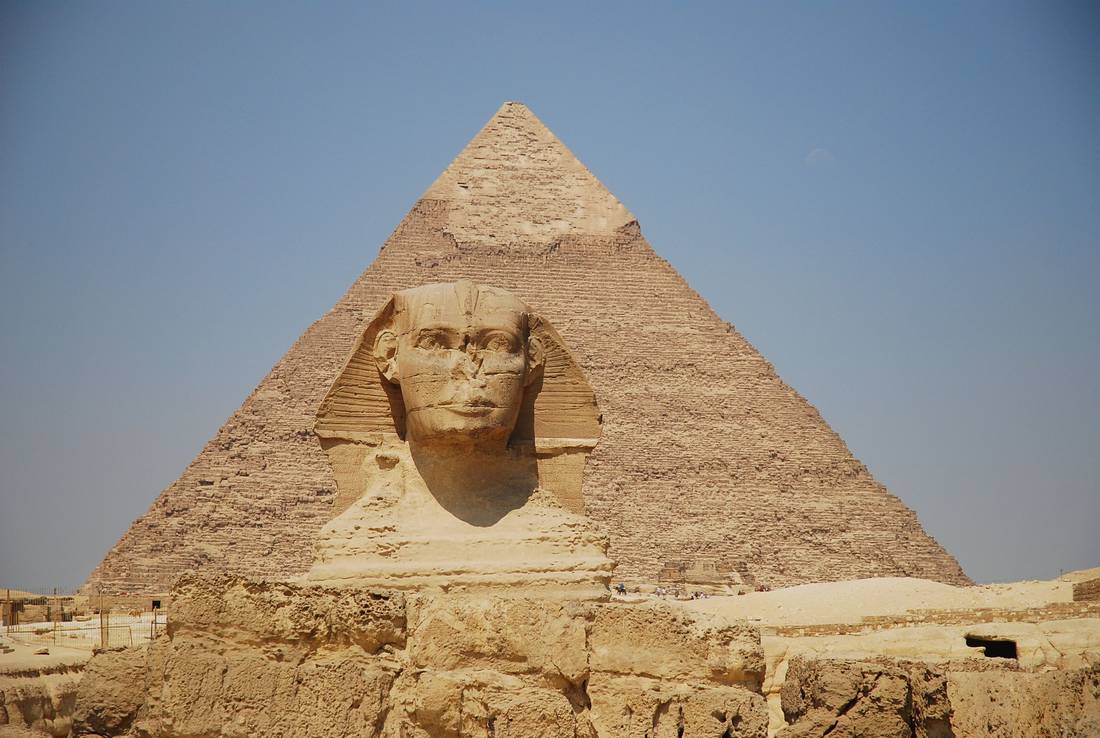
- Pyramids & Sphinx day tour & guide
- Lake Nasser Ferry
- Entry into Meroe Pyramids
- Lake Nakuru National Park & game drive
- Meals - approx. 60%
- All transport on Oasis Expedition Truck
- Camping and Cooking equipment
- Services of Oasis Crew
Excludes
- Visas
- Gorilla Trekking Permit (bookable as an Add on)
- Optional Excursions as listed in the Pre-Departure Information
- Flights
- Airport Taxes & Transfers
- Travel Insurance
- Meals - approx. 40%
- Drinks
- Tips
Trip Itinerary
Days 1 - 4 Cairo to Luxor
Days 5 - 14 Luxor to Abu Simbel
Here in Luxor - you have the opportunity to visit the Valley of Kings and Queens, the remarkably well preserved tombs of ancient rulers such as Ramses lV and Tutankhamun have coloured paintings and hieroglyphics that still seem fresh even after 3000 years. Karnak and Luxor Templesare both in easy walking distance from our camp - as is the local souq where you can pick up an array of souvenirs.
A half day drive further south brings us to Aswan. Here you will notice the first of many cultural changes on this trip. The darker Nubian people in Aswan lead a more relaxed and less hectic pace of life than their Egyptian countrymen. We base ourselves here for a few days to finalise our Sudanese visas if we haven't already done them in Cairo and in which time you can choose to join a 2 or 3 day felucca boat cruise to Edfu and/or Kom Ombo. From Aswan we drive to Abu Simblel where there is the opportunity to visit the massive stone monuments built by the greatest of all pharaohs, Ramses ll.
Days 15 - 20 Abu Simbel to Meroe
From Abu Simbel we take a ferry across Lake Nasser to the border with Sudan. This can be a long border crossing but once the formalities have been dealt with, we drive to the friendly town of Wadi Halfa.
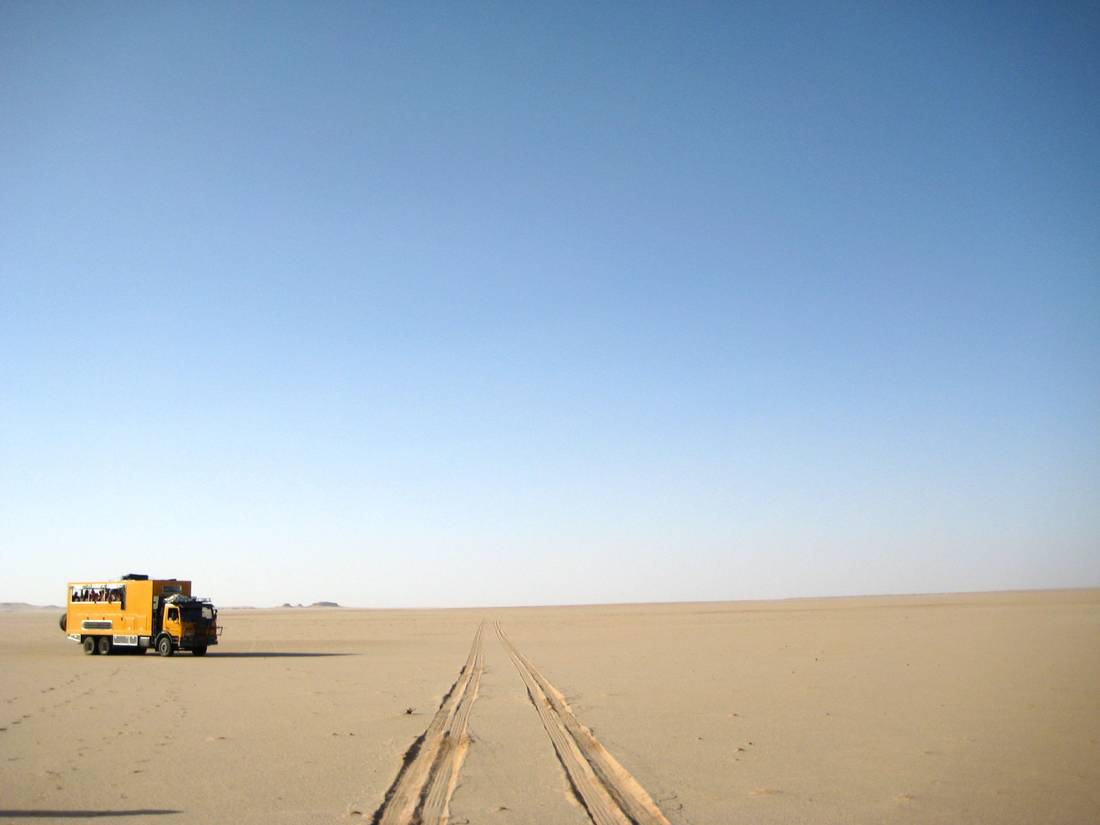
The hospitality in Sudan can be surprising, but very genuine. For such a poor country with so many recent problems Sudanese people are often too willing to invite you for a meal or a cup of 'Sudanese whisky' - better known as tea! From Wadi Halfa we board our expedition vehicle for our drive across the Nubian Desert. Our route will see us either hugging the banks of Nile as it snakes its way south or possibly experiencing the vast open desert plains which is dissected by the main train line from Khartoum, making this our only real point of reference. Whether passing through sleepy Nubian villages, resting in tea rooms, pottering around the local souqs or experiencing total isolation in the middle of the desert - a unique experience awaits you along this not so travelled route.
Note: If the security situation in Sudan has not improved, then we will overfly from Cairo to Addis Ababa (flight at your cost, budget $200) after completing the Egypt section using public transport and local hotels. We will then join our overland truck in Addis and adjust our itinerary in Ethiopia. We ran our 2022/23 Trans Africa expedition in this way and it worked very well.
Days 21 - 24 Meroe to Khartoum
Days 25 - 38 Khartoum to Addis Ababa
From Khartoum we drive south-east through the towns of Wadi Medina and Gedaref, on our way to Ethiopia. Many of the roads we travel on are often in mountainous areas, so travel is slow. Ethiopia has a lot more visual & indigenous history than any other sub - Saharan country. In the towns of Gondar (the capital of Ethiopia from 1632 until 1868) we spend a few days where it is possible to organise overnight trips to the Simiens Mountains National Park - home to the Gelada Baboon, hikes are available in the area. You may also wish to arrange a trip to the holy city of Axum dating from the 12th Century have been kept alive by generations of dedicated priests who guard their precious religious and artistic artefacts.
Lalibela, famous for it's 11 monolithic rock-hewn churches is our next destination where you have the option of a guided tour of one of Ethiopia's holiest cities.
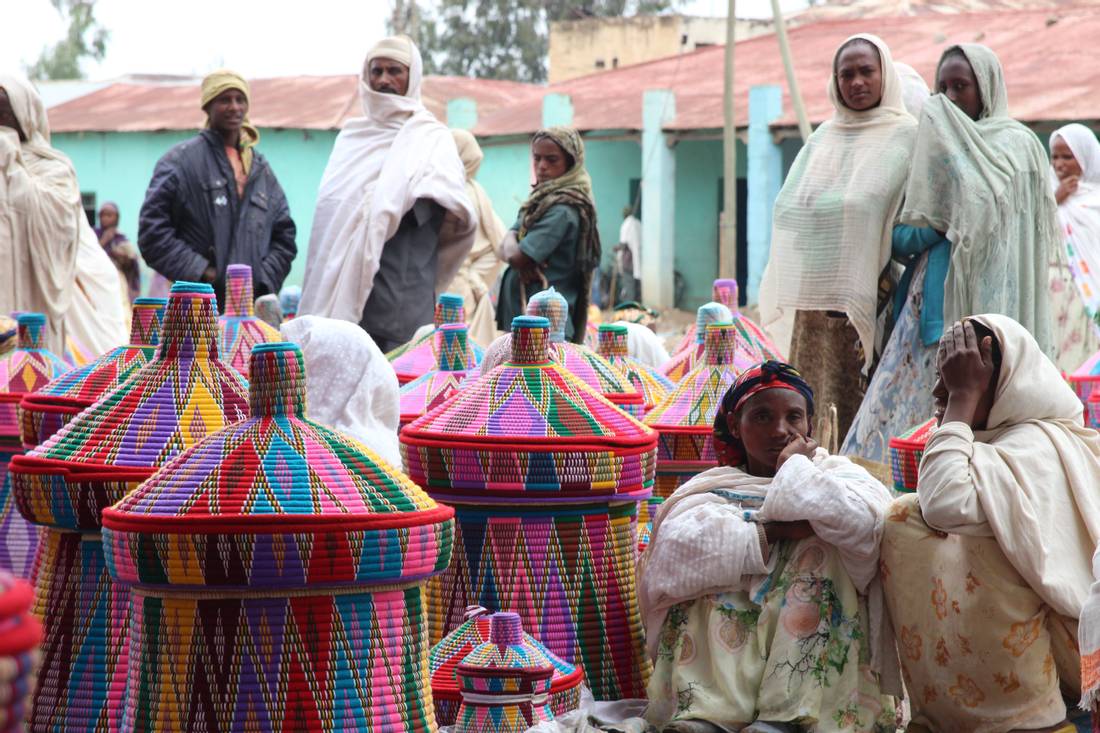
Our route to Addis Ababa takes us via Lake Tana and the spectacular Blue Nile Gorge and Falls. From Bahir Dar you can organise boat trips to some of the small islands which have Monasteries dating back up to 900 years and which are still looked after by monks who live from subsistence farming. A couple of days drive brings us to the capital Addis - where we have the chance to indulge in some authentic Ethiopian coffee or explore 'El Mercato' - one of Africa's largest open air markets.
Days 39 - 47 Addis to Eldoret
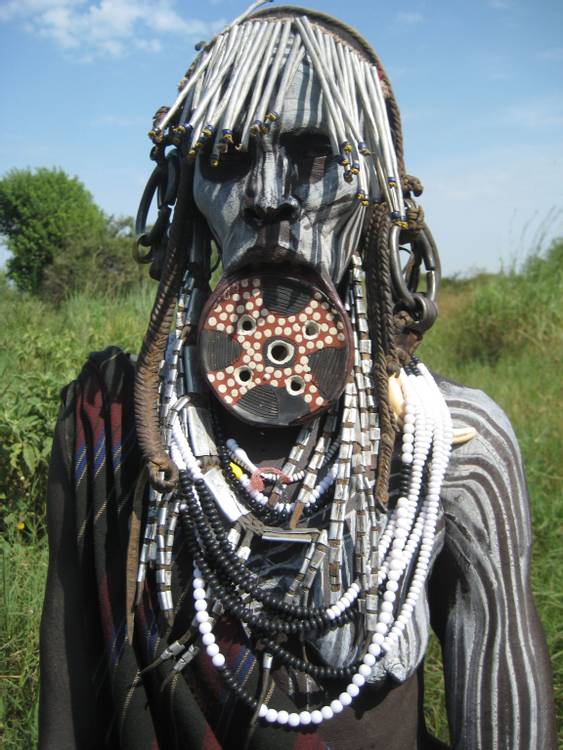
After a couple of days in Addis we continue our journey south heading into the Omo Valley. This little visited region is home to some of the most colourful ethnic groups in Ethiopia. The friendly Hamar people are noted for their ornate, interesting hairstyles and the Mursi people are famous for the clay lip plates and earlobe decorations. An optional day tour will take you into the Omo National Park. We then travel through one of Africa's greatest natural features - the East African Rift Valley. Overland trips through East Africa will allow you to experience absolutely spectacular scenery first hand, and the Rift Valley is a definite highlight. Stretching from beyond the Dead Sea in Jordan down to Mozambique in Southern Africa - the valley floor seems to sweep on forever and is dotted with volcanic peaks, shimmering lakes and countless springs.
The north of Kenya is very remote and Nomadic tribes people like the Rendille and Borena in Marsabit and the Samburu (cousins of the Maasai) still wear very distinctive and often elaborate dress. We pass the foothills of Mount Kenya before tackling some mountainous driving through the Nandi Hills - taking us via Eldoret before continuing into Uganda.
Days 48 - 55 Eldoret to Kabale
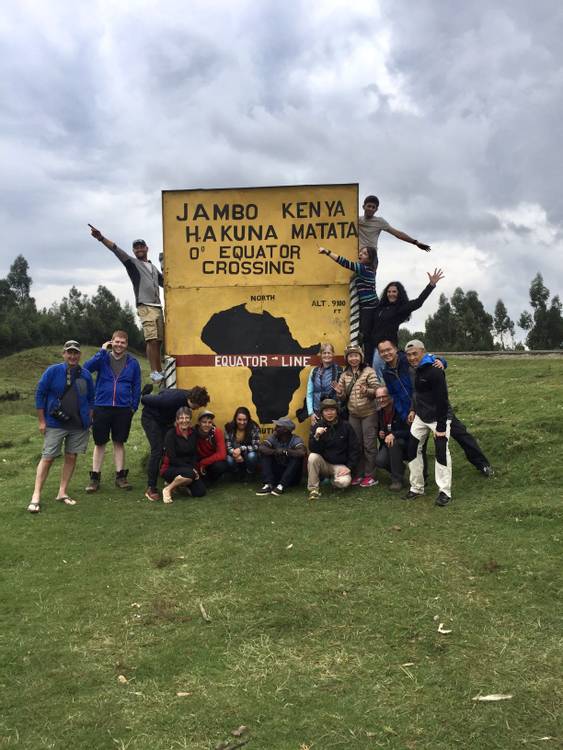
Kampala has had a turbulent past, but these days it is a friendly and safe city. We have a free day to spend in local cafes and nightspots - where you can get to know the local people. The following day we have a long drive as we head west through swamps, patches of forest and fertile green countryside. As we travel through Uganda, we'll pass through a number of small towns and villages; Mpigi, where you will see roadside stalls manufacturing and selling traditional musical instruments; Kyazanga, where we can buy fresh rotisserie and roasted meat and vegetables, as well as roasted plantain bananas. We will also be able to make a photo stop where our route crosses the Equator.
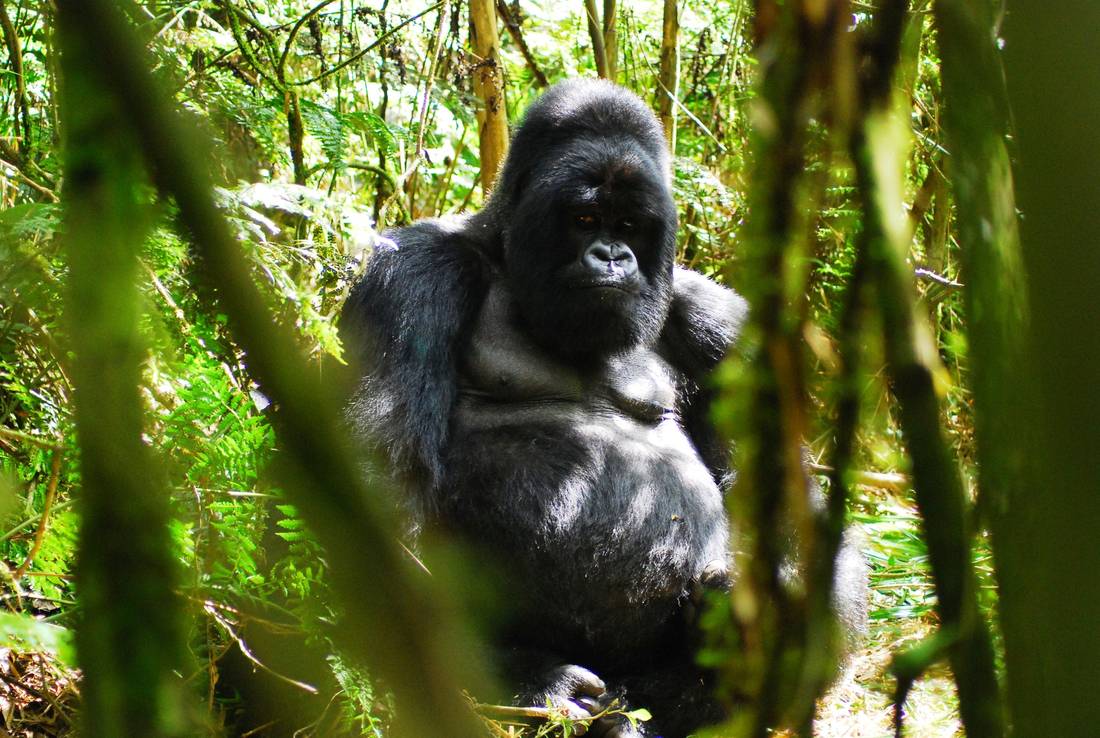
Bwindi Impenetrable Forest National Park and Mgahinga Gorilla National Park are home to several families of Highland Mountain Gorillas. Getting up close to these amazing creatures is a truly a once in a lifetime experience and one of the highlights of the trip. You have the opportunity to trek to see the Gorillas in Uganda (bookable as an Add on). It is estimated that only around 700 of these gentle giants remain. This mountainous area on the borders of Rwanda, Uganda and Zaire (now renamed Democratic Republic of Congo) is their only natural habitat and they are periodically threatened by poachers and political instability in the area. One permit allows you to spend about 50 to 60 minutes with one of the gorilla families. Trekking to find them in groups of 8 people can take anywhere from half an hour to 5 hours. The organisations and well-trained guides that continually monitor and protect the families are conscientious and responsible.
We will base ourselves in the village of Kabale which will give you the opportunity to trek the Mountain Gorillas and visit the beautiful Lake Bunyonyi.
(Due to the popularity of Trekking to the Mountain Gorillas and the limited availability of obtaining Trekking Permits, we may do the Gorilla trek in Rwanda in Volcanos National Park, which may come at an additional cost - you will be advised in advance).
Passing over the mountain ranges we cross the border into Rwanda. The small, friendly town of Musanze is home to Musanze caves and several hiking trails, take a village tour throughout the area where you can see first hand production of local Banana beer. There will also be an opportunity to visit the genocide memorial in Kigali, which is a moving and humbling experience.
Days 56 - 64 Kabale to Nairobi
We then return back into Uganda and make our way towards Kampala and camp near Jinja - Uganda's adventure playground. Here, on the edge of Lake Victoria, the Nile begins its 6700km journey to the sea. We spend the next few days downstream from the source of the Nile. This is a spectacular area, and a superb place to go whitewater rafting or kayaking. You can also organise quad biking, horse riding or a visit to a local education project
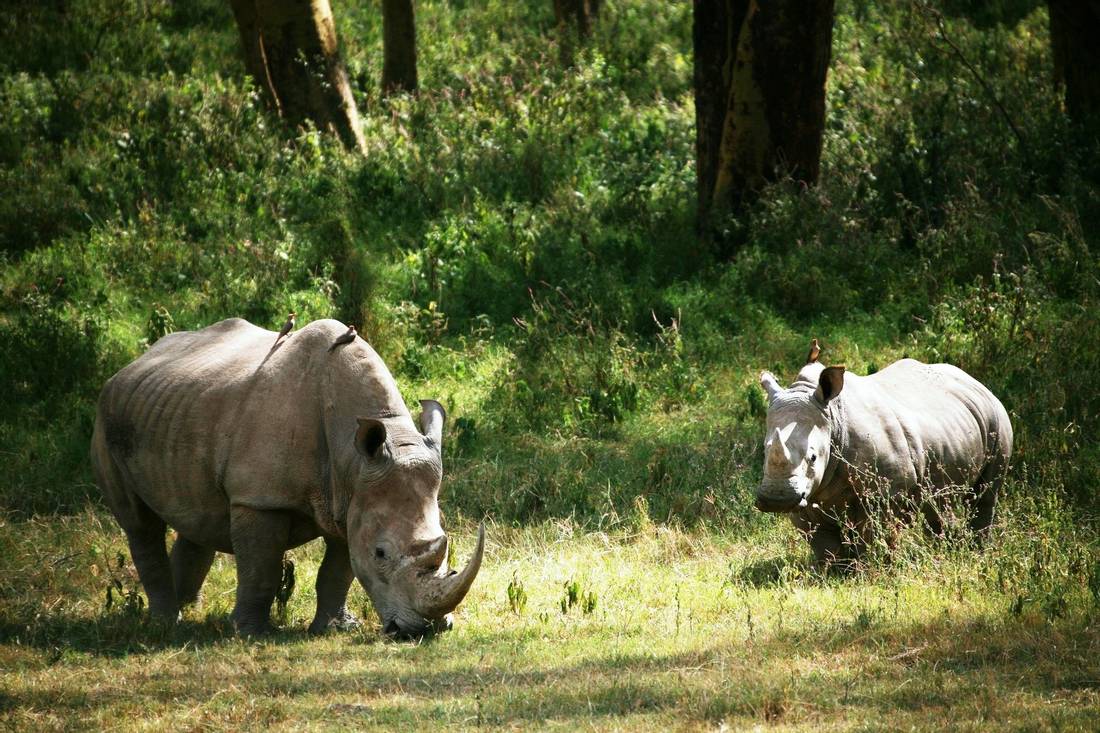
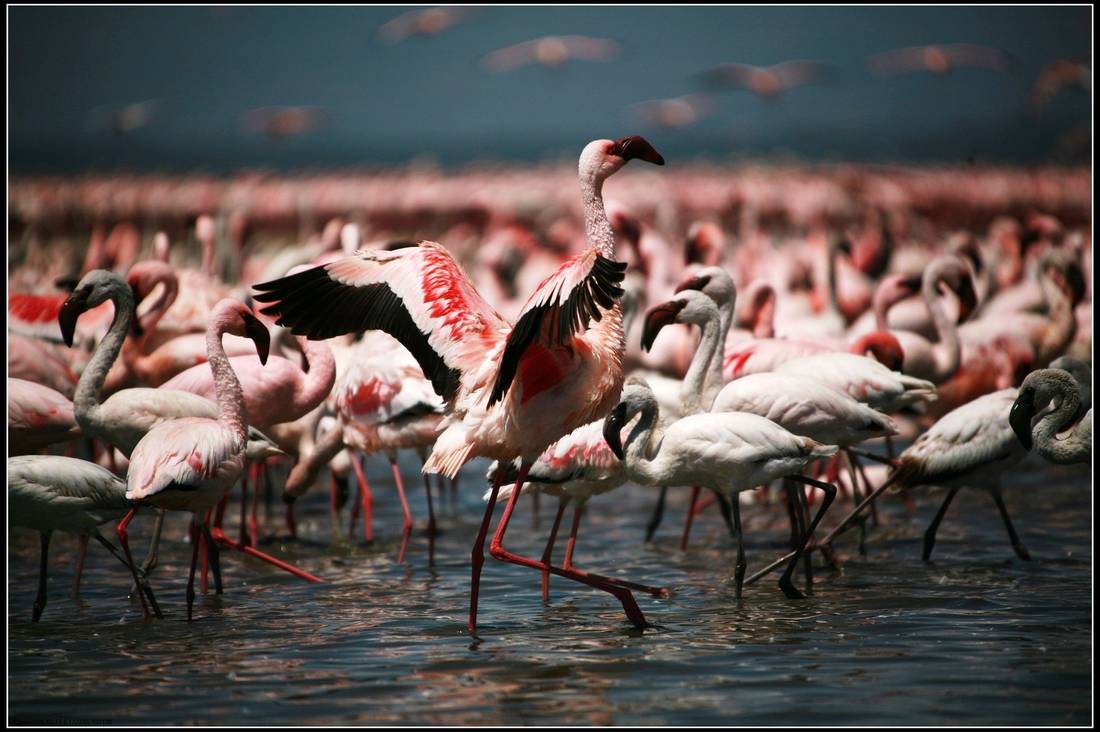
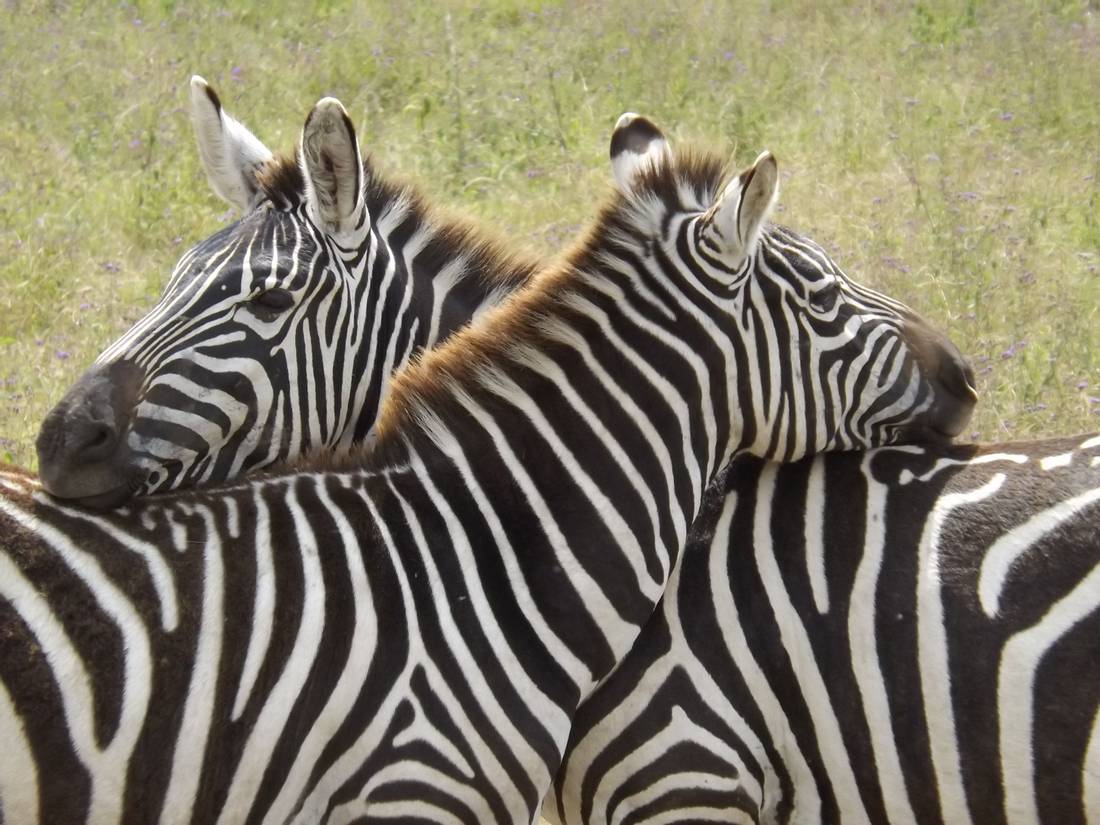
Re-entering Kenya, we travel through the heart of the Rift Valley - with views from atop a steep escarpment opening up some of the most dramatic scenery in the world. Hills covered in tea plantations and rural scenery lead us to Lake Nakuru National Park - home to a wide variety of wildlife including Black Rhino, Hippo, Lion, Leopard, Hyena and Giraffe. However, Nakuru is a soda lake and most famous for its pink inhabitants, a flock of almost a million Pink Flamingos which feed noisily along the shoreline. A further half-day drive brings us to Lake Naivasha. We camp near the lakeshore where Hippos sometimes feed at night! Here you can walk to Elsamere, the house of Joy Adamson - of Elsa the Lion and Born Free fame, and enjoy a film of her life - and cream teas! You can also hire mountain bikes and cycle or walk through Hells Gate National Park - the only game reserve in Kenya in which you are permitted to do so. Or for a less active but equally enjoyable game viewing experience - visit the Crater Lake Game Sanctuary. Both offer excellent scenery & opportunities to spot hyrax, abundant bird & plant life along with several types of antelope and a variety of plains animals
A few hours drive brings us to the capital Nairobi.
Essential Information
Essential Information About Your Trip
Arrival & Accommodation
Trip Joining Point: Havana Hotel - Cairo
Start Time Day 1: 08:00
Address: 26 Syria Street, Mohandiseen, Cairo
Telephone: +20 2 3749 0758
Website: www.havanahotelcairo.com
Email: info@havanahotelcairo.com
All prices listed are approximate and subject to limited availability.
*If you are travelling solo you can opt to reserve a shared room (usually a twin or triple) with other same sex travellers from your trip.
|
Room Type |
Price |
Description |
|
Single en-suite |
US$60.00 |
Per Room |
|
Twin en-suite * |
US$60.00 |
Per Room |
|
Double en-suite |
US$60.00 |
Per Room |
|
Shared - Triple en-suite * |
US$65.00 |
Per Room |
The trip starts from the Havana Hotel at approximately 8am on the morning of Day 1 of your trip.
This 3 star hotel is in walking distance to cafes, restaurants, supermarkets and forex bureaus / banks. The hotel has an in house cafe, bar, restaurant, laundry service, WiFi and safety deposit boxes. All rooms have a private bathroom, phone, TV and Air Conditioning. A buffet breakfast is included.
PRE-TRIP ACCOMMODATION:
You can pre-book accommodation and airport transfers through us. We will require your flight number, arrival time, and arrival date so please ensure this information is forwarded to us as soon as you have booked your flight. Please book this service as soon as you have booked your flight and no later than 6 weeks prior to departure, after which a late booking fee may apply. If you have booked through a travel agent, please contact them to request pre-trip accommodation and airport transfers.
Double, twin, and triple rooms will be provided subject to availability, where requested. However when not available we may need to book other rooming arrangements, and will fit these as closely as possible to your request. Those travelling solo will be put in shared rooms to reduce the costs to them, which may be twin/triple shares with other Oasis Overland travellers. Single rooms may be available in some cities for solo travellers, and we will arrange this for you on request, subject to availability.
If you are arriving early in the morning and you would like to check in immediately, you may have to reserve your room for the previous night to ensure direct check in, otherwise you may have to wait until normal check in times (usually 1pm to 2pm).
Please note that on occasion we may use an alternative hotel due to limited availability, but we will inform you nearer your trip departure date if this is the case.
Accommodation costs are payable direct to your Tour Leader on arrival in Egyptian Pounds, £GB or $US.
AIRPORT TRANSFERS:
Airport Transfer Costs: Approximately $35 USD
On arrival into Cairo airport you will be met by a local representative who will take you to the group joining Hotel. The driver will have your name on a sign with Oasis Overland. Transfer costs are per person and are payable to your Tour Leader on arrival in Egyptian pounds, £GB or $US. Contact details of your transfer representatives will be provided a few weeks before your trip departure.
Flying into Cairo International Airport (CAI) can be a culture shock as there are not many signs or directions. As a majority of flights arrive here very early in the morning - it is made a lot easier by having a transfer rep. meet you on arrival. It is approx 25kms from the airport to the centre of Cairo. Whilst at the airport you should change some cash into Egyptian Pounds in the main foyer of the airport. The rates are the same as in town but better than at hotels.
Pre-departure Meeting
There will be a pre-departure meeting in the starting hotel the night before the start of the trip, usually around 6:00pm. There will be a notice in reception advising the exact time and here your crew will explain how the day to day running of the trip works. Your Tour Leader will collect your Local Payment money as well as 2 photocopies of your passport information page, insurance policy details with policy number and confirmation that the duration will cover you for the entire trip and a 24-hour emergency assistance telephone number. It is essential that you attend this meeting - please let the UK office or your tour leader know if you are unable to do so.
Post Trip Accommodation and Airport Transfers
Post-trip accommodation can be arranged with your tour leader during the trip or directly with the hotel on arrival. The return airport transfer can be arranged through your hotel / hostel and is not included, it is at your own expense. We regret these services cannot be arranged via the Oasis office before departure.
Flight Information
You need to arrive at your departure city at least the day before your trip begins. Return flights must be booked for at least the day AFTER the trip is due to end. You may wish to allow some extra time to explore your arrival and departure cities (if you are joining in Victoria Falls - we suggest arriving at least 2 days before if you wish to partake in the many adrenaline activities on offer).
There are many online flight search engines such as www.skyscanner.net or www.ebookers.co.uk, flights can also be booked direct with airline websites or through travel agencies. Please inform us of your flight details through your online account, as airport transfers can be arranged for various trips.
One way ticket: If you intend to travel on a one way ticket to meet up with one of our trips, without possessing an onward flight ticket - we recommend that you have a copy of your payment confirmation/receipt (that you will be sent at time of your balance payment) available at immigration to assist easy entry.
Departure Taxes: Please check with your Travel Agent or Airline if your flight ticket already includes a departure tax payment out of the country. If it does not - please budget for approx US$30 to $70 USD - to be paid in US$ only.
Passports
Your passport must be valid for at least 6 months AFTER your trip finishes. This is a general requirement for all of the countries we travel to on our trips.
If you have dual nationality you can only use one passport for the entire trip. It is your responsibility to ensure you have all the relevant visas you require.
Please bring 2 photocopies of your passport details to give to your tour leader.
Number of blank pages required for the trip, please use this as an approximate guide:
- Cairo to Nairobi (or v.v) - 10 blank pages
- Cairo to Cape Town (or v.v) - 20 blank pages
- Nairobi to Cape Town (or v.v) - 10 blank pages
If there are any stamps in your passport linking you with an entry or visit to Israel (this could include border/immigration stamps from other countries bordering Israel), you will need to replace your passport.
You shall also need passport photos for this trip, please use the below as a guide;
- Cairo to Nairobi (or v.v) - 4 passport photos
- Cairo to Cape Town (or v.v) - 8 passport photos
- Nairobi to Cape Town (or v.v) - 4 passport photos
Visas
The information below is to be used only as a guide and may change without prior notice. It is advisable to contact the relevant embassy in plenty of time before the trip departs to check the current visa requirements. It is your responsibility to ensure you have all the relevant visas you require.
Visas obtained at borders and embassies during the trip must be paid for in either USD or local currency CASH ONLY, as stipulated by the relevant immigration officials. Evisas will require payment online by credit or debit card.
|
Country |
UK |
Irish |
Aust |
NZ |
S.Africa |
USA |
Canadian |
||
|
Egypt |
US$25 |
US$25 |
US$25 |
US$25 |
Free |
US$25 |
US$25 |
||
|
Sudan |
US$210 |
US$210 |
US$210 |
US$210 |
US$210 |
US$264 |
US$210 |
||
|
Ethiopia |
US$82 |
US$82 |
US$82 |
US$82 |
US$82 |
US$82 |
US$82 |
||
|
East Africa Visa |
US$100 |
US$100 |
US$100 |
US$100 |
US$100 |
US$100 |
US$100 |
||
|
Kenya |
US$30 |
US$30 |
US$30 |
US$30 |
US$30 |
US$30 |
US$30 |
||
|
Uganda |
US$50 |
US$50 |
US$50 |
US$50 |
US$30 |
US$50 |
US$50 |
||
|
Rwanda |
US$50 |
US$50 |
US$50 |
US$50 |
Free |
US$50 |
US$50 |
||
|
Tanzania |
US$50 |
US$50 |
US$50 |
US$50 |
Free |
US$100 |
US$50 |
||
|
Malawi |
US$50 |
US$50 |
US$50 |
US$50 |
Free |
US$50 |
US$50 |
||
|
Mozambique |
US$150 |
US$150 |
US$150 |
US$150 |
Free |
US$150 |
US$150 |
||
|
Zimbabwe |
US$55 |
US$55 |
US$30 |
US$30 |
Free |
US$30 |
US$75 |
||
|
Botswana |
Free |
Free |
Free |
Free |
Free |
Free |
Free |
||
|
Namibia |
Free |
Free |
Free |
Free |
Free |
Free |
Free |
||
|
South Africa |
Free |
Free |
Free |
Free |
Free |
Free |
Free |
||
For more information on other nationalities & visas check out Project Visa.
Kenya
Most nationalities will require an Electronic Travel Authorisation (eTA) to enter Kenya which must be obtained in advance of travel.
East African Visa - (relevant to Grand Adventurer, Apes & Lakes, Gorillas & Gameparks, Nairobi to Kigali and the 9 week Nairobi to Cairo Nile Trans - This covers you for entry into Kenya, Uganda and Rwanda and is obtained as an e-visa in advance of travel. You can apply via any of the three country websites, though the Kenya evisa website seems to provide the most efficient and quickest process. Once you leave the three countries your visa will expire, so if your itinerary will for example be re-entering Kenya again later please be aware that you may have to apply for and pay for a 2nd Kenyan eTA in enough time before you are due to enter the country.
Kenyan eTA - (relevant to Coast to Coast, Savanna Dawn and Gameparks & Zanzibar trips) - Kenya has introduced an Electronic Travel Authorisation (eTA) system. Travellers need to apply via https://www.etakenya.go.ke/en. This will take at least 3 days to process but you can apply up to 3 months in advance, so allow yourself plenty of time in case of delays. You will need to either print a copy of your eTA or download it to your mobile to present on departure at the airport and at immigration at your point of entry into Kenya. You may be denied boarding of your flight to Kenya or denied entry to Kenya if you do not have your copy of your eTA with you.
We know that the Kenyan visa websites often have issues taking payments. If your payment doesn't go through, the process will not have completed. We suggest that you:
- try a different website browser
- check your bank has not blocked the payment
- clear your cookies (if you know how) and try again
- wait a few hours or until the next day, and try again
If you are travelling on the Trans Africa or Nile Trans expeditions you will apply for the East Africa visa online while on the trip. Your tour leader will liaise with you about this.
Egypt
Passports should be valid for at least six months after your departure from the country. Please do not bring an almost full or almost expired passport. Visa arrangements are the responsibility of the traveller, and requirements are subject to change by the local authorities.
We recommend that you contact your closest Egyptian consulate or embassy for current information for your nationality.
In general official advice is that all nationalities obtain their Egypt visas in advance, as we cannot guarantee that you can get them in the airport or land border. An online e-visa is available through visa2egypt and we recommend obtaining your visa via this method whether arriving in to Egypt by air or land if you are able. Please do not use any other website as there are many scam sites offering Egypt e-visas.
In practice however, many nationalities (including British and European, Australian, New Zealand, USA) can and do obtain their visas on arrival in Cairo airport or most land borders. The process is much quicker and simpler, the cost is currently US$25 p/p and must be paid in hard currency (i.e. GBP, USD or EUR) - you'll be given change in local currency if necessary. There are no forms to fill in and you don't need to bring passport photos. Visas are issued at one of the bank desks in the immigration hall, before you get to passport control. On our small group tours, our representative will have met you by this stage and will assist with the process at Cairo Airport.
Important Note: Due to recent changes in the visa regime for Canadians, a visa on arrival or e-visa will no longer be possible for Canadian Citizens entering Egypt after October 1st 2023. Until further notice Canadian passport holders must obtain a visa prior to arrival, from the nearest Egyptian Consulate.
All African & Indian nationals, and some others, will need to obtain their visas in advance.
For further information on your visa requirements, please either contact us or your local Egyptian embassy/consulate.
Ethiopia
Passport Holders from UK, Ireland, Australia, New Zealand, USA, Canada and most EU countries will require a visa to enter Ethiopia.
Joining in Addis Ababa - All nationalities must apply for their Ethiopia visa online in advance at www.evisa.gov.et. You will receive your application approval by email and you will need to show this at the airport when you arrive in Ethiopia.
All other joining points - All nationalities must apply for their Ethiopia visa online and you can do this during your trip. You will receive your application approval by email and you will need to show this at the land border when you enter Ethiopia.
A 30 day single entry visa costs $82 USD.
Rwanda
Passport Holders who have already obtained an East Africa, will not need to purchase another visa to enter Rwanda.
If you are NOT travelling on an East Africa Visa; passport holders from UK, Ireland, Australia, New Zealand, USA, Canada and most EU countries will require a visa to enter Rwanda, this can be obtained on the trip at the border on arrival. Approximate cost is $50 USD.
Passport Holders from other countries who have NOT obtained their East Africa visa, will need to check the current visa requirements with the relevant consulate, and whether you need to obtain the visa in advance.
Sudan
All nationalities require a visa in advance. As part of the application process, most nationalities will require a Letter of Invitation and a letter from the Sudanese Ministry of Interior which we can provide through our agent in Sudan.
In addition to the visa costs below, all nationalities will need to pay $60 USD for an immigration registration fee and a $10 USD departure tax whilst in Sudan. You will need to bring 2 recent colour passport photos on a white background along with you to apply for the registration.
Starting in Cairo - all nationalities should apply for their visa at their nearest embassy in advance of joining the trip. Approximate cost of $210 USD includes Letter of Invitation, Ministry of Interior letter and visa fee for most nationalities and $264 USD for US passport holders.
Starting in the UK or Accra for the Trans Africa and Cape Town or Nairobi for the Nile Trans Trip - we will obtain this visa whilst on the trip. Approximate cost of $210 USD includes Letter of Invitation, Ministry of Interior letter and visa fee for most nationalities and $264 USD for US passport holders.
Everyone will need to bring 4 recent colour passport photos on a white background along with you to apply for the visa.
Uganda
Passport Holders who have already obtained an East Africa, will not need to purchase another visa to enter Uganda.
If you are NOT travelling on an East Africa Visa; passport holders from UK, Ireland, Australia, New Zealand, USA, Canada and most EU countries will require a visa to enter Uganda, this can be obtained on the trip at the border on arrival. Approximate cost is $50 USD.
Passport Holders from other countries who have NOT obtained their East Africa visa, will need to check the current visa requirements with the relevant consulate, and whether you need to obtain the visa in advance.
Vaccinations and Health
You may require some vaccinations for your trip, depending on the areas that you are visiting. As we are not medically trained, we are unable to give detailed advice on vaccination requirements, so please use the information below as a guide only. We have worked closely with Nomad Travel Clinics for many years and they offer Oasis travelers a 10% discount on vaccinations, anti-malarial drugs, first aid items, clothing, and equipment, just enter discount code OASIS1000 at Nomad Travel. Alternatively, you can check out the Fit for travel website for more travel health information or consult a reputable travel clinic or your GP for information and advice. We suggest that you allow at least 8 weeks to get all your vaccinations.
Yellow Fever - Being vaccinated against Yellow Fever and having a valid certificate and a photocopy is deemed compulsory in nearly all the countries we visit in Africa, especially at certain borders, and are needed if you are entering from an infected country. You can view a list of countries requiring a certificate through the World Health Organisation.
Rabies - Vaccinations are regularly advised for all countries that we travel through in Africa - especially if time and money are not a deterrent.
Malaria - In some of the areas we visit there is a risk of contracting Malaria. You must be aware that whatever malaria prophylactics you are taking, they only offer partial protection. They must be coupled with your physical efforts against being bitten - which is the best prevention. Malaria-carrying mosquitoes come out at sunset so from this time you should wear long sleeves and trousers. Exposed skin, especially ankles, should have insect repellent containing 'Deet' applied to them. Your crew will advise on where the worst affected areas are on the trip. There are several prophylactic malaria treatments on the market & requirements change. It is also wise to take a sample of whichever prophylactic you choose, a few weeks before you leave. This way you may determine early on if you have any adverse reactions so you can change the regimen if necessary. Please consult a reputable travel clinic or GP for advice. For more information visit Nomad Travel or Fit for Travel.
Dengue - Unlike the malaria mosquito, which bites at night, the dengue-carrying mosquito bites during the day. Some areas we travel to do have occasional outbreaks & it is therefore advised that you take care not to be bitten during the day or at night. There is no vaccine available.
Health - To join our trips you should be in good general health. Your medical insurance company must be told if you have any pre-existing medical condition/allergy or are on any regular medication, otherwise, you may not be covered under your policies for these.
Travel Insurance
It is a compulsory requirement that you have adequate travel insurance before you join any Oasis Trip & at the very least are insured for all necessary medical & repatriation costs incurred.
You will be asked to provide the following details if you have not already done so: travel insurance company name, insurance policy number & insurance emergency telephone number. You will also be required to give a copy of your policy with this information to your Tour Leader on arrival with confirmation that the policy duration is sufficient to cover you for the entire duration of your trip. It is also wise to leave a copy of your insurance policy with a friend or relative for safe keeping.
We believe that your safety and holiday enjoyment are very important. It is a mistake to think that "it will never happen to me". It is also very important that you are covered for all the activities that you may wish to undertake while on our trip. It is extremely important that you check the full extent of your cover related to 24 hour Medical Emergency Assistance. In the event of you needing medical treatment you want to know that you have the best cover available to you. Your policy should include adequate Medical Emergency and Repatriation cover as well as Cancellation, Baggage and Personal Liability cover. You need to be aware of EXACTLY what activities your policy covers you for. Please note that skiing is not usually covered in most insurance policies. Please note also that many of the areas we visit are not as developed as the UK and we have no control over the availability or standard of medical and repatriation services and facilities in the areas we visit and these do not form any part of our contract with you.
You should also note that passenger liability insurance covering vehicles, particularly in Third World countries, may be unavailable or inadequate; it is therefore important that your insurance cover makes sufficient provision for you and your dependents in the event of an accident.
We are happy to refer our UK based travellers to the travel insurance specialists Campbell Irvine who have a policy suitable for overlanding which covers most of the adventure and sporting activities on our trips.
Please be aware that most travel insurance policies will not cover you if you are visiting areas against government travel advice. If your trip will go through areas like this (for example, some of our Trans Africa routes through West Africa) then you may need to look at an alternative policy for these sections, for example Battleface or SafetyWing.
For further information, check out the Travel Insurance section of our website.
Money, Budgets and LP
Local Payment (LP)
LP is part of your overall trip payment and is the most cost effective and practical way to get hard currency to Africa to pay for a variety of your day to day local costs (i.e. all meals prepared by the group, campsite/hostel fees, gas, and certain activities listed on the trip page) which cannot be pre-paid from the UK. It is a guaranteed amount, set before your trip departs, and unlike 'group kitty' systems we will not ask you to contribute more once the trip is underway.
Please note: Your LP is payable to your Tour Leader on the morning of departure in US$ Dollars CASH ONLY. Make sure that all your notes are in good condition. Old, torn or marked notes are often refused by the banks and we will therefore be unable to accept them either. Please do not bring all of your Local Payment in US$100 notes and also make sure that they are post 2013 and do not have a serial number starting with CB.
How to bring your currency?
Past Oasis travellers have fed back that, as a general rule it is best to bring your money in US$ dollars cash, although you could also bring a combination of US$ & £GB if British pounds are your home currency. It will depend on the exchange rate at the time of your trip as to which currency is better, but we suggest that US$ are the preferred option for East Africa, whilst £GB can also be easily exchanged in Kenya, Tanzania and Southern Africa. PLEASE NOTE YOU SHOULD DEFINITELY BRING AT LEAST 50% of your money in cash. You will need to pay for your visas and many of the optional excursions using cash and there will be times when you need cash to change into local currency. Some travellers worry about carrying so much cash with them, however all Oasis Overland trucks are equipped with an onboard safe for the security of your money and passport.
We also advise to bring £50 worth of SA Rand in Cash, as this may be needed if we arrive into Namibia or South Africa on a weekend & the banks/ATMs are closed (only if you are travelling to these countries).
Make sure that all your notes are in good condition. Old, torn or marked notes are often refused by the banks and shops. Please ensure your notes are dated post 2013 and do not have a serial number starting with CB. Scottish pounds are also not accepted.
Please remember that Visas need to be paid for in US$ CASH ONLY!
Spending Money
From past trips and traveller feedback £100 to £145 per week should cover costs such as some meals out (on average 2 per day are supplied), soft drinks and beers, email & communications, souvenirs and other general spending. Personal spending habits & budgets differ greatly from person to person. Budget on visa costs (see visa section above) and optional activities separately (see optional excursions page) & allow extra for your Local Payment contribution.
Changing money
Change your money only at banks, hotels, airports or forex bureaus. It is illegal to change money on the street, as these people will normally be opportunistic thieves or undercover police. Your crew will advise you where & when you can change money & with what means. It is also a good idea to have a small CASH emergency fund, to allow for the unexpected.
Credit & Debit Cards
If you are intending using your credit or debit card, we suggest taking more than one card with you as you may find that your card is not accepted in the first ATM you try. Visa and Maestro cards are best. We do not recommend using MasterCard based cards in Africa as they have very limited access through large parts of Africa. Please note that usually you will be given local currency and NOT US$ or £GB. We recommend that you inform your bank that you will be using your card abroad to avoid it being blocked. Please see the optional excursions page for activities that can be paid for using a Credit or Debit Card. Commission rates vary between 2-8%.
Pre-Paid Travel Currency Cards
These cards are similar to normal Credit and Debit cards but they can be pre loaded with cash before you travel with a set amount allowing you to withdraw this cash using the card at normal ATMs. It is a more secure way to access cash on your trip, but again do not rely on these as your sole means of funds on a trip - (please refer to the ATM section). Several banks and companies now offer these cards, but be sure to look into the rates for withdrawing cash when making your decision. When using these cards abroad you will use them to withdraw the local currency from an ATM and not the currency that you loaded onto the card.
ATMs
These are available in most major cities along our route and allow you to withdraw local currency only. We discourage you from relying on your ATM card as a primary source of funds in case it is lost/stolen/swallowed, or the machine isn't working. In some destinations we probably won't even see a bank or ATM for days on end so having hard currency to exchange is essential. Besides memorising your PIN, it is also important to be aware of your daily withdrawal limit and bank withdrawal costs. Please note that although Zimbabwe’s currency is US Dollars it is not currently possible to obtain USD cash from ATMs or banks due to the country’s cash shortage.
Tipping
Is often expected and relied upon. It is often more than a reward for services well done, but, as wages are extremely low, it is an accepted means of supplementing an income. If you would like to leave a tip for any activity/individual, you could organize this as a group and give a tip at the end. A recommended amount for restaurants is usually 10% of your total bill and similar for activities. Some countries also add an extra Government tax on restaurant bills.
Because it can be difficult to know what to tip, and because it has such importance in some areas both economically and culturally, there may be times and activities for which your crew will make it clear what level of tipping is 'customary/expected'. They may also be quite enthusiastic or assertive in encouraging you to take account of these suggestions. This is motivated by the knowledge of how important tipping can be, and the offence or confusion that can be caused when local people are tipped poorly. In the end, tipping remains at the discretion of the individual, but our crew will continue to advise on normal or average rates, and we would ask you to carefully consider the economic or personal impact of being seen as 'under tipping'. We know that many who travel with us are on a tight budget, but ask you to consider that those we work with locally may also face financial hardship, and also work very hard to try to give you unrivalled service/ experiences.
As a very rough guide, we would suggest that you budget for an amount equal to 10% of the local payment for your trip, plus 10% of the cost of any of the listed optional excursions that you wish to do. The amounts you end up tipping may vary from a rigid 10%, but hopefully this will help you budget in general.
In the past we have been asked by travellers about tipping your Oasis Crew. If you choose to do this, it would be budgeted separately from the above. Our guys work very hard at making your trip a great travel experience. Working overseas can often be challenging and they are pretty much on call for you 24 hours a day, so it's appreciated as a thank you for hard work and good service, but of course not mandatory. Our suggestion is to budget around US$1 a day.
Climate
Daytime temperatures in Egypt and Sudan can exceed 35C, with nights dropping to 3 or 4C (especially in the desert areas. Daytime temperatures in Ethiopia are cooler due to the altitude - especially in the highlands (Gondar, Lalibela) where it can get chilly especially at night.
In East Africa (Kenya, Uganda, Tanzania) the year is loosely divided into the 'short' rains (November) and the 'long' rains (March to May). The 'rains' usually last for one or two hours each day followed by hot sunny weather. Nights can be surprisingly cold at higher altitude in western Uganda, Ngorongoro Crater & the Rift Valley.
In Southern Africa (Malawi, Zimbabwe, Botswana and South Africa) the 'dry' season is April to October when the nights can be quite cold (May to August usually being the coldest months). From November to March the weather is hotter and there is summer rainfall, although this is very intermittent when it may not rain for months, or it can rain for a day at a time. View African Climate Chart
What To Take
The less you take the less you have to pack, wash & lug home & you can always pick up extras along the way. Most people make the mistake of bringing too much gear. Clothes washing or laundry facilities will be available at least once a week. You will be travelling in the heat & camping in the cold, so bring clothes for all climates; rough stuff is best. Pack according to season: allowing for extremes in temperature (from the constant baking heat in the dry season to the cold and occasional frost overnight in the south). Make sure that you bring your gear in a traditional soft sided 70 - 90L rucksack or holdall - suitcases are not suitable. Remember baggage is limited to 20kg per person plus one day bag.
| Equipment | Toiletries - Most available to buy on trip |
|
|
| Clothes | Personal Effects |
|
|
| Recommended Medical Kit List | |
|
|
Even though our trucks are equipped with a comprehensive medical kit, we advise you to bring a small personal medical kit as our truck kit is not for general everyday use. It will also be your responsibility to carry your kit on included excursions and optional activities as some local operators may not have medical kits to hand.
What to wear - Keeping your arms, shoulders and legs covered will go a long way to prevent causing offence and hassle to yourself. This is true for men as well as women (especially in Morocco, Mauritania, Sudan, Egypt and predominantly Muslim countries). Avoid wearing tight or revealing clothing, but generally on beaches you can wear what you like. Attitudes range from fairly liberal in such places as the Red Sea coast, to fairly conservative in some of the small towns. Cities and large towns are also fairly relaxed, but outside these areas dress conservatively.
Photography and Electrical Equipment
Cameras (incl. Digital & Video Cameras) - An easy to use 'point and shoot' will get you some good photos. For memorable shots, it may be worthwhile investing in an SLR camera, but be sure to get some practice in before the trip! Most towns and cities have internet cafes where you can download onto CD/internet sites - but don't rely on it. Internet speeds can be slow for uploading photos to social media or the Cloud.
Photography - Be aware of your surroundings when taking photographs and filming. Some locations will be sensitive or have local laws banning photography. For example it is usually forbidden to use cameras at borders or around government buildings, military installations, bridges and airports or to take photos of local officials. If you do take photos or film where it is not permitted you may find yourself being questioned by irate officials who may decide to confiscate your camera or instruct you to delete all the images/footage on your device. If in doubt ask for permission, or if there is no-one to ask use some common sense.
Drones - As the use of drones becomes more common, countries throughout the world are gradually updating their laws and restrictions on usage. The specific regulations will vary from one country to another, so do check the UK Foreign and Commonwealth Office advice for the latest information. As with cameras, use your common sense if you do use a drone and avoid operation in sensitive areas. If you plan to bring a drone on your trip with us please contact us first to ensure there will be a suitable place to store it while on your trip.
Electrical charging & power supply - It may be difficult to find a power source for charging at times, so a spare battery is a must.
Consider a 12V in-car charger (our vehicles are equipped with a couple of 12 volt cigarette lighter charger sockets - truck trips only) or bring along your 230V mains charger and travel adaptor plug for use at some of the hotels, hostels and campsites we stay at.
NOTE: 12V - 230V inverters cannot be used on our vehicles because of the power drain they cause.
Log onto www.whatplug.net for information regarding the different electrical plugs and voltage used in each country.
Contacting Home
The internet and WiFi are available in many towns / cities you will visit. Do bear in mind that the connections can be unreliable and will not always be as fast as you are used to at home. If a lot of people try to use the internet at the same time the speed will be slower still, especially if trying to make Skype calls or upload photos / videos. During periods of the trip where we are wild camping, internet will be less common.
Some travellers choose to take an unlocked mobile phone with them and buy local SIM cards in each country, allowing them to use mobile data. If you particularly want or need regular internet access this may be a good option. Telephone calls can be expensive usually £1 to £5 for a three minute call.
Online Diaries - A great variety of free "travel blogs" are now available online, they are a good way of keeping relatives and friend up to date with what you are doing and a good place to upload photos, collecting messages as well as keeping a record for yourself.
Responsible Travel
Before you go
- Remove unnecessary packaging before you go - waste disposal facilities are often stretched or non existent in the places we visit. To avoid unnecessary pollution of local water supplies take environmentally friendly toiletries with you.
- Why not invest in a wind-up or solar-powered torch or media player before you travel or at least rechargeable batteries.
- Learn some of the local language and read up on the local history/culture before you go. You'll get so much more out of your trip.
- Why not pack some pens/pencils exercise books in your rucksack and they can be donated to a local school or project while you're away. You can also purchase these items cheaply, locally which will help local businesses.
- Take a sturdy water bottle with you from home that you can re-use throughout your trip. We carry large quantities of purified water with us on our Expedition vehicles and it is much better for the environment if you drink this, rather than purchase bottled water along the way. (It also saves you money).
- Water-to-Go: Oasis Overland have partnered with Water-to-Go to help reduce the number of plastic water bottles consumed during a trip. Water-to-Go is a filtration system that eliminates over 99.9% of all microbiological contaminants including viruses, bacteria, chemicals and heavy metals from any non-salt water source. Click here and enter the code OASIS15 to purchase your Water-to-Go products at 15% discount. Water-to-Go will then donate a further 15% to Oasis Overland Charity projects.
- Don't waste water. It is a scarce resource in many of the places our trips visit. On all our Ultimate and Overland Expeditions we carry large quantities of purified water with us. We encourage you to refill your own water bottles from this supply, rather than purchase bottled water along the way-much more environmentally friendly and saves you money.
- Never buy endangered species or endangered habitat products. Apart from the fact of it being illegal it also encourages the trade to continue.
- Look after and preserve the areas we visit. Be careful about stepping on coral reefs or trekking on undesignated tracks.
- Buy locally made crafts and products helping to support the local economy.
- Don't feel when bargaining that you have to get the cheapest price possible just for the sake of it. Pay what the item is worth to you & don't worry about what someone else has paid.
- Try the local food and drinks - this will help to support local farmers and food sellers. Sitting in a local cafe is also a great way to meet local people.
- Dispose of litter appropriately on your trip. This includes cigarette butts. Not only does litter look unsightly it can be lethal to wildlife.
- Where any toilet facilities exist, however unsavoury they might seem to you, they should be used. Where they do not, always bury your waste and make sure it is never near (at least 30m) a water source.
- When game viewing do not encourage your guides to get too close to the wildlife so that their natural behaviour is impeded.
- Respect local customs, traditions and beliefs of the people in the different regions that you travel through.
- Do not take photos of people, ritual events or special places unless you have asked first. Dress appropriately according to local codes and show respect around religious festivals.
- Recycling is almost non-existent in many of the areas and countries we visit - we do the best we can with limited resources & space on our vehicles.
- For books dedicated to travelling more responsibly & ethically see: www.tourismconcern.org.uk
Security
All major cities have their share of petty crime (just like our cities) and sensible precautions need to be taken. Wearing expensive looking jewellery or watches and carrying cameras will draw unnecessary attention to you. Leave valuables such as passports and excess money in your hotel safe or truck safe (we recommend carrying a copy of your passport details page at all times). You may find a simple money belt is more discreet than a bag. Always be aware of your surroundings and when approached by people you do not know, use your common sense. At night in cities it's best to use a taxi, rather than walking around the streets, single women in particular need to be careful and we would suggest that it is safer to be in a group.
On board the truck - Each vehicle is fitted with a hidden, lockable safe to be used for money, passports and important documents. Group member will be responsible for the safe and Oasis Overland cannot accept any liability for clients' personal or monetary contents kept in the safe or on board the truck. We advise you to not take items of value that are not essential for the journey. In certain areas a roster may be drawn up for the group to share the task of guarding and keeping
FCO Advice - The UK Foreign and Commonwealth Office (FCO) offer country-specific advice, regarding not only security but also entry regulations, local laws and customs and health. We strongly recommend all travellers visit the FCO website, or the equivalent in their home country, to familiarise themselves with local conditions and potential issues in the countries they plan to visit before committing to a trip with us. You can view their website here.
As an adventure tour operator, some of our trips will travel to areas that are rarely-visited and occasionally attract negative publicity. We are not in the business of taking our travellers or indeed staff to regions that we consider dangerous and the safety of all who travel with us is always our main priority, but as a discerning customer we understand you will want to be aware of any risks before travelling. We liaise with the FCO on specific regions or areas as necessary, as well as monitoring open media outlets and political risk resources, and speaking to our contacts on the ground.
In some rare cases, our trips may have to travel through areas against which the FCO either ‘advise against all but essential travel’ or ‘advise against all travel’. When our trips travel through these areas we will carry out all due diligence and notify you in advance. This advice can change without notice. In these instances you will need to ensure you have full and comprehensive travel insurance that includes cover for these areas – some policies will exclude them. We are able to provide additional cover, if required, at additional cost. It may also be required that you read and sign a short information sheet confirming you have been advised of the risks and agree to travel contrary to the FCO advice.
If you have any questions at all about the safety or security of your trip, please do not hesitate to contact us and we will be happy to discuss your trip in more detail.
Additional Information
- Your full passport details
- Guarantee of Full payment
What to Expect
What To Expect
Life On The Road
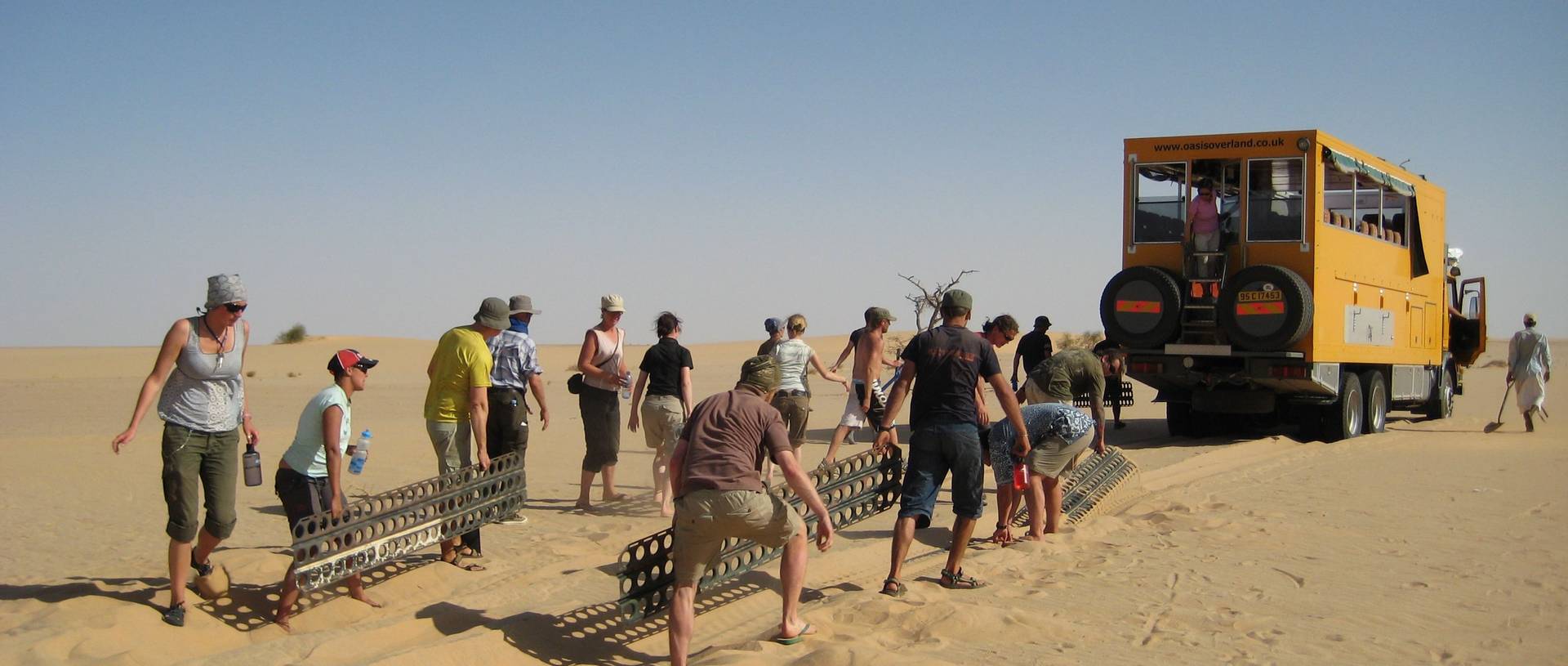
Firstly expect the unexpected! If you are looking for a set itinerary where everything runs smoothly, then this is not the kind of trip for you. Our itineraries can change due to local circumstances, and in such situations we'll always try to minimise any disruption, but bear in mind that from time to time events happen outside our control. It is this very unpredictability which makes each expedition different, exciting and one of the most adventurous things that you will possibly ever do! As part of this adventure you will be expected to have an active involvement in the day to day running of the trip, be part of the group and get stuck in and help with various tasks, whether it's cooking meals over open fires, pitching your tent or keeping the truck clean and tidy.
Itinerary
Because Oasis Overland do not operate normal 'package holidays' the itineraries given cannot be guaranteed to run exactly as outlined. However, it is rare that we have to make major changes and in the event that we do this will be discussed with you either before or during the trip. It is important to bear in mind that should it not be possible to enter a certain country due to safety concerns, visa problems or political turmoil etc, and it becomes necessary to fly over a country in order to continue a trip, that all costs for flights will be borne by you and not Oasis. Should it not be possible for an Oasis trip to begin from a scheduled starting city due to border closures, civil unrest etc, Oasis will make all reasonable efforts to begin the trip from an alternative location. However, all additional costs that you may incur in travelling to the alternative location will be paid by you or your insurance company and not Oasis.
Expedition Vehicle
For most of your trip the Oasis expedition truck will be your new home - giving you a comfortable & secure base with which to experience your trip. We use purpose built truck's which have been converted especially for this expedition, which pass through all types of terrains from soft sand, mud, rock and potholed roads to tarseal. It is reassuring to know that these vehicles can handle the tough conditions that they are put through. The truck is equipped with all the equipment we may need en route, including a professionally compiled expedition Medical Kit, large water & fuel carrying capacities, an extensive range of spare parts and the kitchen sink, (well almost!) so all you need is your sleeping bag, a roll mat and your own personal gear!
Seatbelts
All Oasis Overland trucks are fitted with seatbelts. For your own safety and security we recommend that travellers wear these at all times whilst the vehicle is moving. Our overland trucks in Africa also have a ‘beach area’ which is a chill out zone to be used when the truck is not moving.
Accommodation
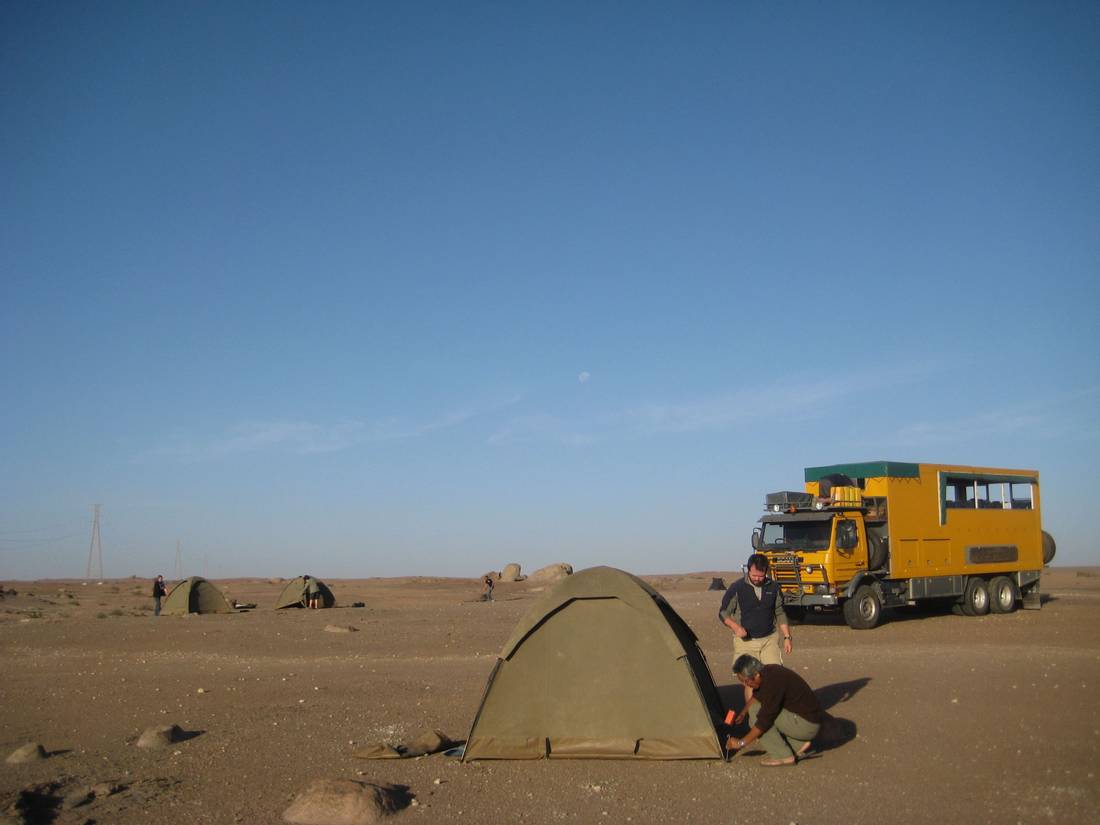
Oasis uses roomy three-person tents but only for two people. They are specially made for us to meet the tougher conditions of an overland trip and have mosquito netting sewn into the door and windows. Tents are shared (between two people of the same sex from your group unless you are a couple). We spend some nights bush or desert camping and the rest of the time in campsites. Facilities and standards at campsites vary, some are well equipped and managed and some are very basic. At bush camps you will be living off the truck, so there will be no showers or en-suite facilities! At certain campsites there is the opportunity to upgrade to a private room at your own expense if you are missing your bed.
During the day
As a guide, driving days normally start at about 8am and finish at about 5pm, with stops for lunch and buying food, seeing local sights etc. We won't be driving every day, although there are times when we will drive for two, but we will then stop for a few days and you will have free time to explore, meet local people, do some optional activities or just relax and do your own thing. Expect to sometimes get dusty & dishevelled during the day and although you will be able to shower most nights (except at bush camps), not all camps will have hot showers.
Meals & cook groups
When 'on the road' or camping, we usually cook using gas or over open fires in a rota system and you can expect to cook in a group of two or three people approximately once every ten days depending on the number of people on trip and whereabouts you are. Your cook group will have to decide on what to cook, utilise stocks from the truck stores and locally obtain ingredients from markets, shops etc. and rustle up a meal. But don't worry if you're not a Gordon Ramsay as the rest of the group and the Tour leader usually lend a helping hand. Here is an idea of what to expect at meal times:
Breakfasts: Usually simple - we help ourselves to cereal, toast, hot drinks and on occasion we will splurge with a cooked breakfast.
Lunch: Cold and usually quick. The cook group will put out bread, tinned supplies and maybe make a salad.
Dinner: Cooks come into their own in the evening, and will always attempt to cook up some delights. When the truck is parked up for a few days in a town or city most people usually like the option to eat out at local restaurants - so we often don't cook all meals when at these locations.
Vegetarians / Vegans / Coeliacs / Gluten & Lactose intolerance - Our Tour Leaders will always do their best to cater for any dietary requirement or intolerance whenever possible. However we do not cater for fussy eaters. It must be remembered that the variety of dishes available may not be the same as available to meat eaters. If there is anything in particular you require in your diet or because of an allergy or would miss from home, it would be best to bring these with you, as these cannot be purchased with normal Local Payment funds due to the high cost of these specialised and often imported foods.
Remember that when eating out in local restaurants & hotels that vegetarianism or food allergies / intolerance's, are still not widely known about or understood by many local people. i.e Vegetarians or Vegans will often be offered fish or chicken in error. Most large towns and cities, or areas used to tourists, will often have more choice but please be aware that it will probably not be as varied as you are used to when eating out at home.
In the evenings
When at a bushcamp or campsite where you and your tent buddy will put up the tent, and then lend a hand with getting out the tables, stools, firewood and water containers. The fire grates need to be taken out, the fire lit and someone can fill the kettle and make hot drinks while the cook group prepares the evening meal. Then just sit back & chill and enjoy the rest of your evening!
Oasis Crew
We usually have two crew whose duties are extensive and quite demanding, with challenges ranging from driving and maintaining the expedition vehicle to a high standard, to organising visas and border crossings, arranging accommodation, pre-booking some excursions and guides, helping with shopping and cooking as well as finding the best deals, socializing and making sure everything runs as smoothly as possible. While our crew are usually experienced and knowledgeable they are not tour guides as such. Our trips pass through many countries and our tour leaders cannot be expected to have detailed knowledge of each country's history, flora and fauna and archaeological sites. Even so - they will be more than willing to pass on any interesting and useful information that they have acquired whilst on the road. A rewarding way to gain a better insight into the wildlife, cultural and historical diversity of the countries we travel through is by reading guide books as well as talking to the local people and using local guides.
Adventure travel can be unpredictable and occasionally our crew may have to amend the itinerary to take into account changing local circumstances or because of a delay at a border or because of circumstances outside our control. This can all lead to additional work and commitment for our crew who will do all they can to minimize any disruption to the trip. While our crew are essentially on call 24 hours a day 7 days a week, it has to be remembered that no one is actually expected to work these hours, so at Oasis we are realistic that within a trip there will be times when our crew need 'down time' and a chance to relax and 'let their hair down' as well. They are only human!
Itinerary Changes
Due to the unpredictable nature of this expedition - it is not always possible to follow the exact itinerary as set out below. We will always endeavour to visit all the places listed, and often more that are not. All the information regarding the itinerary is given in good faith and is subject to change, dependent on local political or country instabilities, weather, security & road conditions etc. Any major itinerary changes will be decided by the crew & company directors and will be discussed with the group beforehand whenever possible. It is also possible that the expedition may arrive later than specified into Cape Town/Nairobi or Cairo.
It is important to bear in mind that should it not be possible to enter a certain country due to safety concerns, visa problems or political turmoil etc, and it becomes necessary to fly over a country in order to continue a trip, that all your costs for flights will be borne by you and not Oasis.
If we do have to fly over a particular area or country we will endeavour to take in other places of interest if time permits. While Oasis Overland will cover all ground and transport costs, we have not taken the cost of flights into our pricing structure. Therefore any flights will have to be paid for by each individual.
Optional Excursions
Optional Excursions
Optional Excursions are paid for on the day and organised during your trip, so you can decide whilst travelling which activity you may want to do. Prices listed are only a guide and may be dependant on fluctuating exchange rates and minimum numbers. Please see below for more details.
Egypt
| Title | From Price |
|---|---|
| Valley of the Kings & Workers Tour - Entry & Guide | US$34 |
| Tombs of the Nobles - Aswan | US$5 |
| Tomb of King Tutankhamen (when open) | US$16 |
| Nubian Village Dinner | US$12 |
| Kitchener Island / Elephantine Island | US$6 |
| Karnak Temple Sound & Light Show | US$15 |
| Guided tour & Entrance to Abu Simbel | US$20 |
| Entrance to Mummy Room in Egyptian Museum | US$16 |
| Entrance to Luxor Temple | US$11 |
| Entrance to Luxor Museum | US$17 |
| Entrance to Karnak Temple | US$14 |
| Entrance to Edfu Temple | US$11 |
| Cairo Tower | US$13 |
| Balloon Flight over the Nile & Luxor | US$90 |
| Aswan High Dam/Philae Temple includes entrance,guide & transport | US$40 |
| Accomm in Cairo - Twin / Double room (before / after trip) p/p, from | US$30 |
| 3 Day 2 nights Felucca Trip Sailing Down the Nile | US$45 |
Sudan
| Title | From Price |
|---|---|
| Archaeological Permits - per site | US$10 |
Ethiopia
| Title | From Price |
|---|---|
| Simean Mountain Trek, includes transport, guide, food & entrances, per day - from | US$70 |
| Lalibela Rock Churches Permit plus guide | US$55 |
| Fasilidas Castles and Compound - Gondar | US$10 |
| Boat Trip on Lake Tana inlcuding entrance to monasteries & guide, from | US$20 |
| Blue Nile Falls - entry, from | US$15 |
| Axum Churches & Archaelogical Sites Permit including guide | US$35 |
| Axum - Transport to and from, guide and entrance fees | US$200 |
| Axum - Accommodation - per night, from | US$10 |
| Addis Ababa entry into museums, from | US$8 |
| Omo Valley - tribal village visits | US$100 |
Kenya
| Title | From Price |
|---|---|
| Crater Lake - entry & guide (Min 4 people) | US$47 |
| Elsamere Visit | US$12 |
| Giraffe Centre | US$10 |
| Hells Gate National Park (entry and bike hire - min 3 people) | US$57 |
Uganda
| Title | From Price |
|---|---|
| Horseriding - 2 to 3 Hours, from | US$50 |
| Jinja Sunset Cruise | US$45 |
| Mountain Bike Hire - 1 to 4 Hours, from | US$35 |
| Pygmy Island Day Trip on Lake Bunyoni | US$25 |
| Soft Power Education - Volunteer Day | US$25 |
| Tandem Kayaking | US$160 |
| Transport to Gorilla Trek | US$30 |
| VCD / DVD of the Rafting / Kayaking | US$45 |
| Whitewater Rafting - White Nile | US$140 |
| Quadbiking - 1 to 4 Hours, from | US$50 |
| Chimpanzee trek, including transport min. 4 | US$125 |
Rwanda
| Title | From Price |
|---|---|
| Donation to Kigali Genocide Memorial | US$10 |
| Genocide Memorial - Audio headset | US$15 |
| Golden Monkey Trekking, from | US$120 |
| Mount Bisoke Hike, from | US$95 |
| Musanze Cave Tour | US$30 |
We feel that having optional excursions gives a greater degree of flexibility and independence to our group members; independence to decide how much your spending budget can afford; flexibility to decide when and what time of day or with whom to visit a particular site, rather than for example, with the whole group at a pre-ordained time. If you decide not to join a popular excursion, you will have free time to relax or wander off to a market, village or beach, depending on where we are.
You pay for the optional excursions to the local operator, ensuring the money stays with that operator in the local community and this ensures as well, that you are paying the true price for any optional excursions you want to do. This also applies to accommodation costs before and after the trip. Please note that the prices of optional excursions quoted are approximate as local prices can and do change. Please see the relevant trip page for the Optional excursions you can do on that trip and a list of prices.
Dates & Prices
Dates & Prices
If you have more time to travel then why not consider CAIRO to CAPE TOWN (17 weeks) Nile Trans
2024
| Start | Finish | Special Events | Trip Price | Local Payment | ||
|---|---|---|---|---|---|---|
| Tue 24 Sep | Tue 26 Nov |
Dates:
Tue 24 Sep - Tue 26 Nov |
Special Events: | Adult Price: £3595 | Local Payment: US$1400 | Book |
2025
| Start | Finish | Special Events | Trip Price | Local Payment | ||
|---|---|---|---|---|---|---|
| Wed 24 Sep | Wed 26 Nov |
Dates:
Wed 24 Sep - Wed 26 Nov |
Special Events: | Adult Price: £3895 | Local Payment: US$1500 | Book |
Extend your trip with a mini adventure




Trips you might also like
Kenya, Egypt + 11 more